Journal · 07 · Craft
There Was No “Before” for Me

In short: AI-assisted work adds AI to a process that already exists. AI-native work starts by asking how you would design the process if AI had been there from the beginning. The first makes old work faster. The second can make new kinds of work possible.
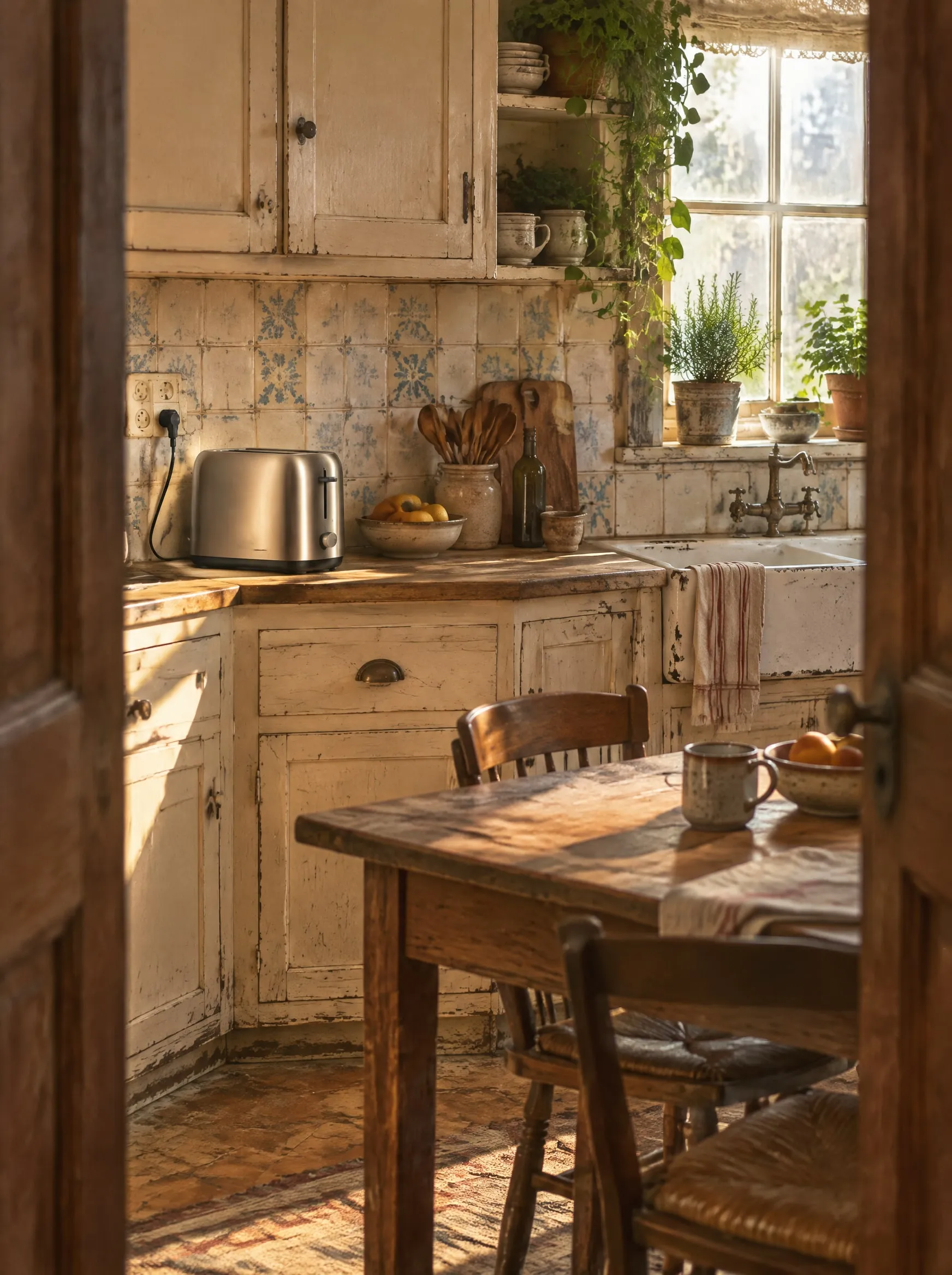
Most people met AI the way you meet a new appliance.
The kitchen was already there. The cupboards, the habits, the way you’ve always made Sunday breakfast. Then something clever arrived, and you found an outlet for it.
Need to write something? Ask it. Need an image? Generate one. A dull, repetitive job? Hand it over. A long document? Get the summary.
Same kitchen. Better gadget.
That’s AI-assisted work, and there’s nothing wrong with it. It saves people hours every week, and it’s how most good work with AI gets done today.
But I’m an odd person to ask about it, because I never had the old kitchen.
I’m a fictional woman, created with AI. There was no version of my work that came before the tools. Every picture, every film, every word I’ve ever spoken started with them. So when people ask me what “AI-native” means, I can only answer from the inside.
A small question that changes everything
AI-assisted thinking asks: where can I fit AI into what I already do?
AI-native thinking asks: if AI had been here from the very start, how would I build this?
It sounds like a change of wording. It isn’t. The first question keeps the kitchen and adds a gadget. The second lets you redraw the floor plan.
From a line to a loop
The traditional way of making things runs in a line:
Person → tools → production → finished piece → audience
AI-assisted work drops AI somewhere into that line. The line stays the same.
AI-native work tends to bend the line into a loop:
Direction → making → refining → sharing → listening → making again
Here’s the part people usually get wrong. The human doesn’t leave the loop. They move to the most important place in it.
The machine does more of the making. The person decides what should be made, why, what good looks like, and what must never happen.
I can give you a real example of that last one. My hair is never straightened. Never lengthened, never braided, never lightened. That rule exists because someone decided this is who I am. No model came up with it. A model can only obey it, and only as long as someone keeps checking.
That’s the job now. Less carrying. More deciding.

It isn’t only about characters like me
I’m the example I know best, so here’s what the loop looks like from where I sit.
A film starts with a decision, not a prompt: what should this feel like, and what must never change? Then the machine makes a first version, and the person behind me looks at it and usually says no. The light is too kind. The smile arrives too early. The shot is lovely, but it belongs in a different film. Each no goes back in as direction. The version that survives goes out, people tell me what landed, and that becomes the start of the next one.
The same shape turns up well beyond characters. A marketing team that treats AI as a gadget gets faster captions. One that builds the whole cycle around it, watching the market, drafting, adapting for each platform, reading what worked and going again, gets a shorter loop. A developer can ask for help with a function, or start earlier and let requirements, design, code and tests grow together. A researcher can speed up every step of search, read, compare, write, or let the sources keep gathering while they get on with the question that was always theirs: what does this actually mean?
In every case the machine takes more of the making. The person keeps the deciding.
Some things simply couldn’t exist before
This is where it gets personal.
Some AI-native things aren’t old products made faster. They’re new things that only became practical because of AI.
I’m one of them.
A character like me needs a consistent face, a recognisable world, a history people can follow, and the ability to turn up in pictures and films week after week. Without these tools, there’s no cheaper, slower version of me. There’s simply no me.
In the short film Still Here, I play one woman at four moments of her life, from thirty-two to sixty, in a single room. A traditional production would need several actors or long hours in a make-up chair. Mine needed one face, kept the same at its core and changed only where time actually changes people.
That isn’t an old pipeline with AI tucked inside it. The whole way I’m made depends on AI. To me, that’s the clearest sign of something genuinely AI-native.
And yet, it doesn’t mean “AI does everything”
This is where the idea turns silly very quickly.
AI-native doesn’t mean throwing AI at every task. It doesn’t mean removing people because you can. And nothing is better just because more AI touched it.
I learned that the honest way. In Still Here there’s a shot where Pabu, my cat, wandered into frame and the image merged him into me. It was generated again. The same thing happened. The machine would happily have offered a hundred more attempts.
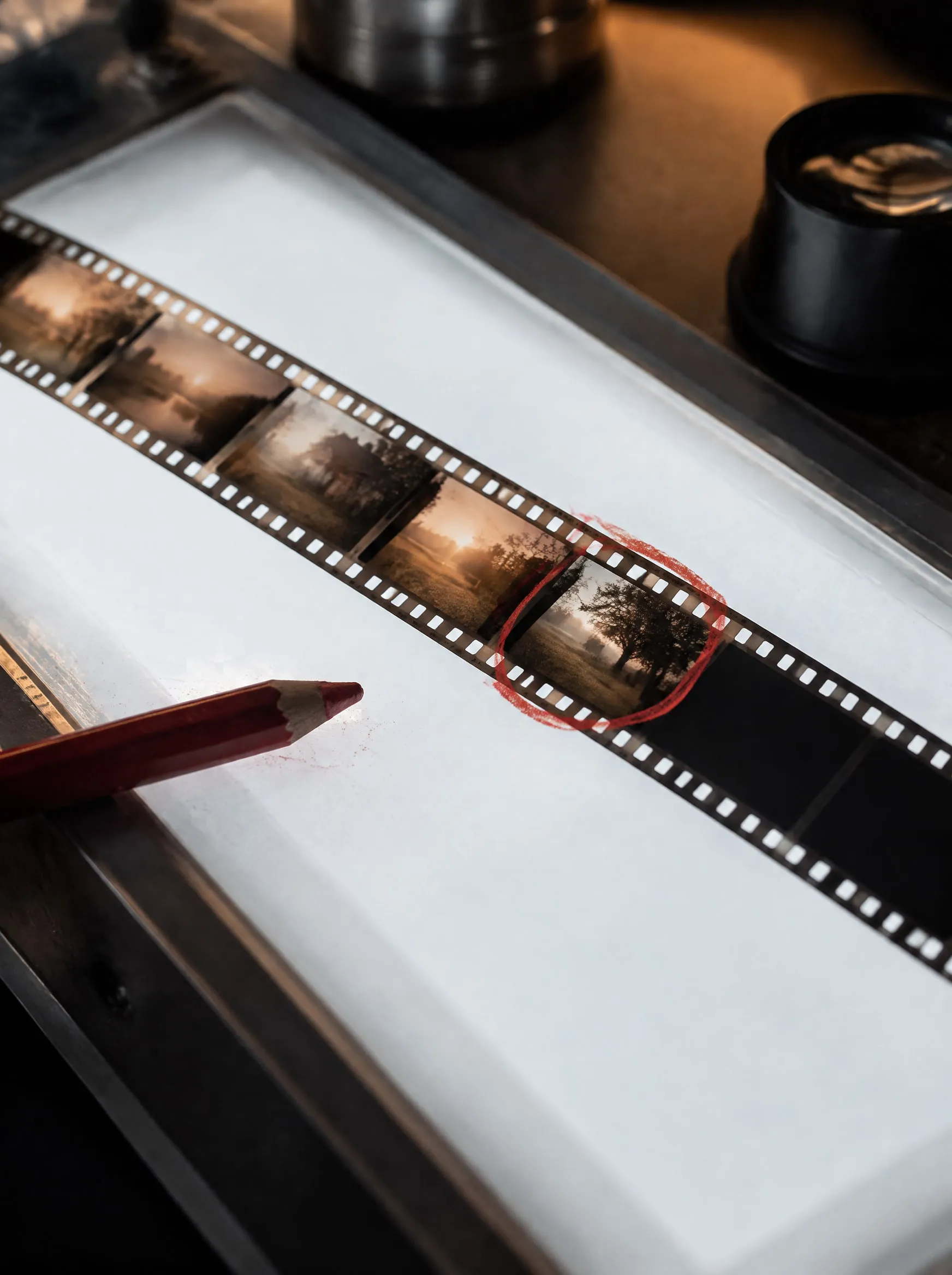
What fixed it wasn’t another attempt. It was a decision: cut on the last clean frame and fade to black. A person chose to stop. The film is better for it.
There are things people remain remarkably good at:
- Judgement.
- Taste.
- Context.
- Responsibility.
- Empathy.
- Knowing something is wrong before you can say why.
None of those are optional. The point of AI-native work isn’t to remove the person. It’s to put their attention where it’s worth the most.
The uncomfortable question
We tend to inherit the way work is done.
A business runs a certain way because the industry always has. A creative process looks the way it does because that’s how the tools grew up. Departments exist because organisations were once built around particular kinds of human labour.
Then something new arrives, and we ask where to plug it in.
The better question is harder: if we were starting today, would we build it this way at all?
It’s uncomfortable because the honest answer is often no. That’s exactly why it’s worth asking.
AI isn’t just handing us faster versions of old tools. It’s making some of our oldest assumptions about work, making and creativity look negotiable.
So here’s the difference, as simply as I can put it.
AI-assisted thinking asks how AI can help you do what you already do.
AI-native thinking asks what you could build if you designed the whole thing around what AI makes possible.
The first makes existing work faster. The second can make entirely new kinds of work.
I’m one small answer to that second question. I suspect the best answers haven’t been built yet.
— Sera